

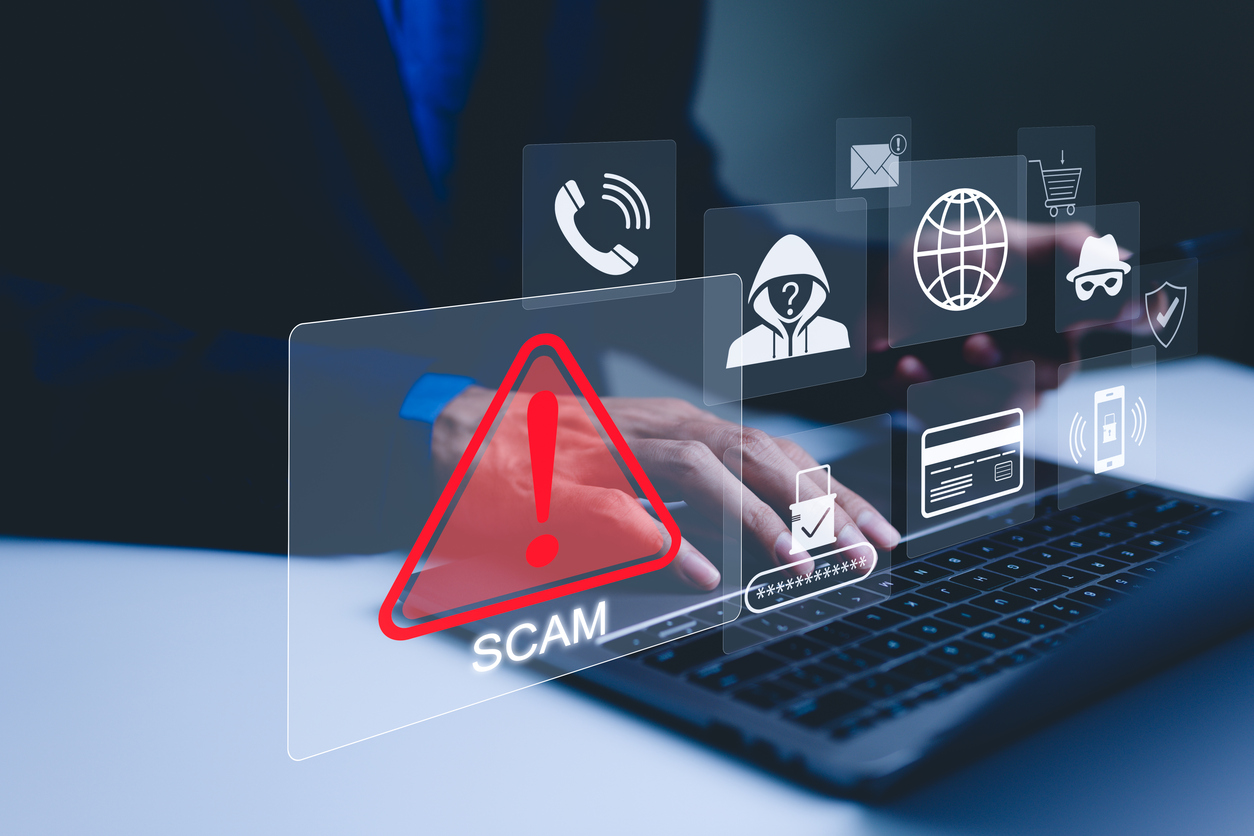
The board treasurer of a large condominium association receives what appears to be a routine email from a familiar vendor — updated banking information and a request to redirect the next payment. The email address is one character off. By the time anyone notices, $22,000 is gone. Most HOA boards never see it coming, because most don’t think of themselves as targets. That assumption is exactly what makes them vulnerable — and exactly why cyber attack insurance has become a critical safeguard agents should be discussing with every community association client.
Why Are Community Associations Becoming Prime Targets for Cyber Attacks?
The financial appeal is straightforward. Associations manage operating accounts, reserve funds, assessment collections, and vendor payments year-round. To a cybercriminal, an HOA with a $500,000 reserve and a volunteer board running on shared email is a low-resistance, high-reward opportunity.
Personal data adds another layer of exposure. HOAs accumulate homeowner names and addresses, bank account and credit card information tied to assessments, government IDs collected during move-ins, and lease records for rental units. That data has independent value, separate from any direct theft of association funds.
Structural vulnerabilities deepen the risk. Board members rotate without formal cybersecurity training. Communication flows across personal email accounts and text messages with no standardized verification procedures. There’s no IT staff, no dedicated security administrator, and, in most cases, no written protocol for confirming a payment request before funds are moved. Taken together, these conditions make associations precisely the kind of target attackers look for: meaningful assets, limited oversight, and no one minding the door.
What Are the Most Common Cyber Attacks Targeting HOAs Today?
Attackers don’t need sophisticated tools — just a credible email and an unverified process. Phishing remains the most common entry point, with board members and community managers receiving messages that appear to come from trusted contacts asking for a payment, a password reset, or a document download. Vendor impersonation takes it further: a spoofed email, often with a single character swapped, requests that future payments be redirected to a new account. Without a verification step, there’s nothing to stop the transfer.
Ransomware attacks encrypt property management software, financial records, or email archives, then demand payment for access. Restoration costs compound quickly regardless of whether the ransom is paid. Lost or stolen devices create a different kind of exposure — a board member’s laptop containing years of financial records and homeowner data doesn’t need to be hacked to trigger state notification obligations. Losing it is enough.
What Does a Cyber Incident Really Cost a Community Association?
Most boards picture a stolen wire transfer as the worst-case scenario — but the financial impact of a cyber incident typically extends well beyond the initial theft. An association that suffers a data breach faces mandatory notification requirements under most state laws. The FTC’s data breach response guide outlines the process: securing compromised systems, notifying affected individuals, and coordinating with law enforcement. Forensic investigation alone — determining what was accessed, when, and by whom — routinely costs tens of thousands of dollars before remediation begins.
Legal exposure follows. Homeowners whose data was compromised may bring claims against the association. Directors and officers face personal liability questions that standard general liability policies don’t address. Regulatory fines for inadequate data protection add another layer of complexity. The reputational damage — lost homeowner confidence, board resignations, prolonged management disruption — can linger for years.
How Does Cyber Attack Insurance Help After a Breach?
Cyber liability coverage functions as a coordinated incident response, not simply reimbursement. When there’s a reported claim, coverage activates a network of specialists: forensic investigators, breach coaches, legal counsel, and public relations support. A board facing a ransomware attack at midnight doesn’t know which agency to contact, whether to pay the ransom, or how to notify residents without creating additional legal exposure. Strengthening HOA cyber defenses through dedicated insurance means those decisions don’t have to be made in the dark. Coverage also addresses direct financial losses — funds stolen through social engineering, system restoration costs, and third-party claims from affected homeowners.
What Can Associations Do Now to Reduce Cyber Risk?
Agents can add immediate value by walking clients through practical, non-technical steps. Verify all payment change requests by calling a known number — not one provided in the email itself. Require multi-factor authentication on every account used for association business. Train board members to recognize spoofed addresses and urgency-based pressure tactics. Revoke system access promptly upon the board’s term ending. None of these measures eliminates risk, which is precisely why coverage belongs in the conversation alongside prevention.
Helping HOA Clients Recognize an Exposure They May Not See
Cyber risk is a financial and governance issue for community associations, not an IT problem — and it’s one many boards don’t recognize until something goes wrong. Agents who proactively bring this conversation to their HOA clients, help them understand what existing policies don’t cover, and connect them with dedicated cyber liability coverage are delivering real value before a loss occurs. That’s a far better position than explaining coverage gaps after a board member has already wired funds to the wrong account.
FAQ on Cyber Attacks
Does a standard HOA package policy cover cyber losses?
No. Standard community association policies cover physical property damage and bodily injury liability. Data breaches, ransomware, social engineering fraud, and breach notification costs fall outside that coverage. Some policies include cyber endorsements, but those typically carry sublimits that leave meaningful gaps.
If an HOA uses a property management company, does the management company’s policy cover the association?
No. A management company’s cyber policy covers the management company, not the associations it serves. If association accounts or homeowner data are compromised, the board may face its own legal and financial exposure regardless of where the breach originated.
What happens if the board doesn’t report a suspected incident right away?
Delayed reporting increases total costs and can complicate coverage. Most cyber policies include prompt notification requirements, and waiting may limit the insurer’s ability to respond effectively. Associations should report early rather than waiting for confirmation of a breach.
Did you miss our May webinar?

You can still watch and learn. Click here to find it on YouTube!
About the Author
Kevin Davis is President of Kevin Davis Insurance Services, Inc. (KDIS) and managing general agent for Travelers Insurance — one of the largest specialty insurance writers for community associations in the United States, currently insuring more than 40,000 associations nationwide. With three decades in the insurance industry — 25 of them devoted exclusively to community associations — Davis brings rare depth of expertise to a highly specialized field. He founded KDIS in 2000 with a two-person team and has since built it into a firm of more than 65 employees, establishing the company as a trusted leader in its market. A nationally recognized authority on loss prevention, Davis writes and speaks regularly on the subject. He also serves as a faculty member for Community Associations Institute (CAI) training programs throughout the country.
About Kevin Davis Insurance Services
For over 35 years, Kevin Davis Insurance Services has built an impressive reputation as a strong wholesale broker offering insurance products for the community association industry. Our president, Kevin Davis, and his team take pride in offering committed services to the community association market and providing them with unparalleled access to high-quality coverage, competitive premiums, superior markets, and detailed customer service. To learn more about the coverage we offer, contact us toll-free at (855) 790-7393 to speak with one of our representatives.