

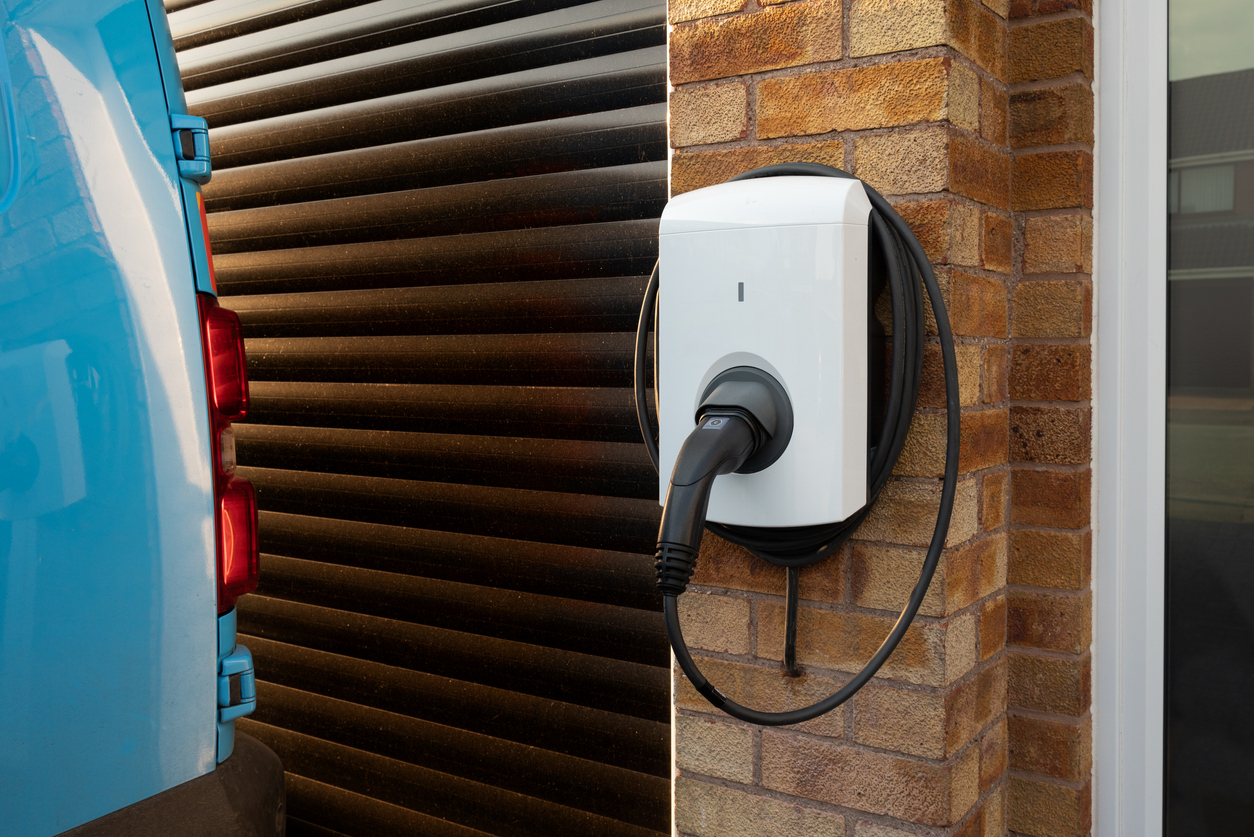
For homeowners association (HOA) boards, requests for electric vehicle (EV) chargers used to be a routine architectural approval item. In a growing number of states, mishandling one is now a statutory violation with real directors and officers (D&O) exposure. A board decision to deny, delay, or mishandle a charger request is the kind of wrongful act that HOA D&O insurance exists to address.
When Denying or Delaying a Charger Request Becomes a Violation
Massachusetts was among the first states to turn this shift into law. The state’s “Right to Charge” rule took effect in February 2025, amending Chapter 183A of the Massachusetts General Laws. Under the new rule, condominium and homeowners’ associations can no longer prohibit or unreasonably restrict a property owner’s installation of an EV charger.
The law goes well beyond a general prohibition, and the specifics are what agents need to flag for clients:
- An association can still require an application, but that process must match the existing process for architectural modifications, at the same fee.
- The application can’t be denied if it meets the adopted architectural standards and the statute’s requirements, and it must be approved or denied in writing.
- The board can’t willfully avoid or delay the process.
- If the board doesn’t issue a written denial within 60 days, the application is deemed approved, unless the delay is due to a reasonable request for more information.
A board that misses the 60-day deadline or imposes conditions that the statute doesn’t allow creates a statutory violation. The homeowner doesn’t have to prove bad faith to have a claim.
How California’s SB 770 Shifts the Insurance Picture
California took a different route to a related exposure. SB 770, which took effect Jan. 1, 2026, amends Civil Code Section 4745 to remove the requirement that a homeowner installing an EV charging station in a common area or exclusive-use common area name the association as an additional insured on their liability policy.
The distinction agents need to make explicit is that SB 770 doesn’t affect the board’s duty to approve or deny a charger request. It removes a risk-transfer layer that the association used to have. Before the law, a homeowner’s charger-related liability policy would name the HOA, giving the association a direct route to recovery if an incident occurred. After Jan. 1, 2026, the homeowner still has to carry liability insurance and provide a certificate of insurance, just not one that names the HOA. If a charger-related incident results in a claim, the association must now pursue the homeowner’s insurer rather than be named on the policy itself.
The Assembly Insurance Committee’s analysis of SB 770 clarifies where the pushback came from: CAI’s California Legislative Action Committee opposed the bill, arguing that homeowners had already been able to obtain the required coverage and that removing it could increase the association’s exposure to litigation. The opposition came directly from the trade group representing California HOAs, and it’s a useful reference point for a renewal conversation about whether a client’s D&O program accounts for the change.
Both threads are worth raising with a client together: A Massachusetts-style board decision creates direct exposure, while a California-style insurance change increases what the association’s own coverage may need to absorb.
Why EV Chargers Belong in the D&O Conversation
Whether the exposure comes from a mishandled application or from reduced risk transfer, the underlying claim traces back to a board decision. A decision like that falls within the definition of a wrongful act, and it’s the reason HOA D&O insurance belongs in this conversation.
A duty-to-defend feature, like the one offered by Kevin Davis Insurance Services, changes how things play out for a client. Instead of the association reimbursing legal costs after the fact, the insurer steps in to handle the defense once a covered claim is filed. A board facing a statutory deadline or an unfamiliar insurance gap benefits from such support before costs pile up. KDIS’s own coverage guidance is worth reviewing with clients alongside this topic, since EV charger disputes are the kind of governance-related allegation the policy is meant to cover, rather than the property damage or bodily injury claims that general liability handles.
Reviewing a client’s HOA D&O insurance program against this specific, fast-moving exposure is worth doing before the next renewal, not after a charger request turns into a claim.
EV Charger FAQ
Can an HOA deny an EV charger request?
In states with right-to-charge laws, such as Massachusetts, an HOA can deny a request only if it fails to meet adopted architectural standards or the statute’s own requirements, and the denial must be in writing. A board that misses the deadline or imposes conditions the law doesn’t allow risks a statutory violation regardless of intent.
Does SB 770 stop California HOAs from requiring insurance for EV chargers?
No. Homeowners installing a charger in a common area still have to carry liability insurance and provide the HOA with a certificate of insurance; they just no longer have to name the HOA as an additional insured on that policy.
Does a board’s D&O policy cover EV charger disputes?
D&O coverage responds to allegations of wrongful acts by the board, such as improperly denying or delaying a charger application, rather than to the charger incident itself.
About the Author
Kevin Davis is President of Kevin Davis Insurance Services, Inc. (KDIS) and managing general agent for Travelers Insurance — one of the largest specialty insurance writers for community associations in the United States, currently insuring more than 40,000 associations nationwide. With three decades in the insurance industry — 25 of them devoted exclusively to community associations — Davis brings rare depth of expertise to a highly specialized field. He founded KDIS in 2000 with a two-person team and has since built it into a firm of more than 65 employees, establishing the company as a trusted leader in its market. A nationally recognized authority on loss prevention, Davis writes and speaks regularly on the subject. He also serves as a faculty member for Community Associations Institute (CAI) training programs throughout the country.
About Kevin Davis Insurance Services
For over 35 years, Kevin Davis Insurance Services has built an impressive reputation as a strong wholesale broker offering insurance products for the community association industry. Our president, Kevin Davis, and his team take pride in offering committed services to the community association market and providing them with unparalleled access to high-quality coverage, competitive premiums, superior markets, and detailed customer service. To learn more about the coverage we offer, contact us toll-free at (855) 790 -7393 to speak with one of our representatives.